
Summary
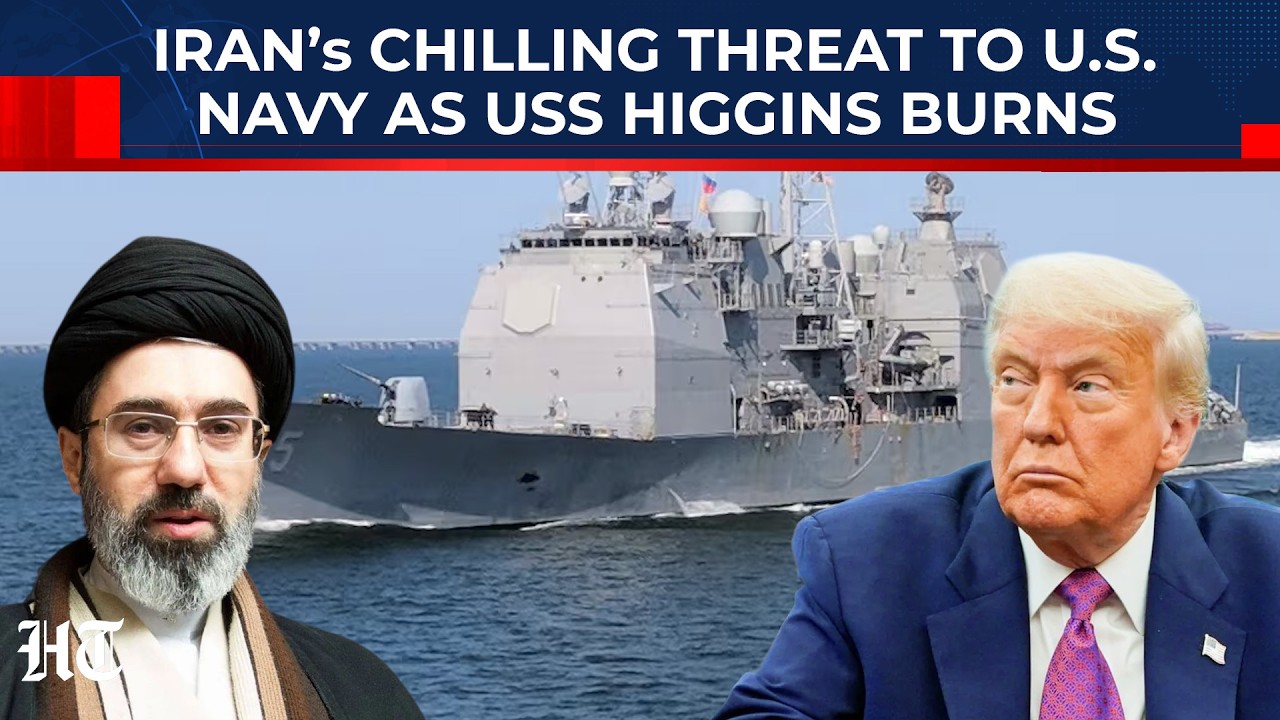
Reports suggest **Donald Trump** is considering plans for further strikes on **Iran**, potentially involving a naval blockade of its ports and the **Strait of Hormuz**. This move, aimed at crippling **Iran**'s oil revenue and pressuring negotiators, has already sent **oil prices** soaring to over $126 a barrel. **Iran** has decried the actions as 'piracy' and threatened retaliation, escalating tensions in a critical global shipping lane. The situation is described as a 'war of blockades,' with both sides intercepting commercial vessels, raising concerns about broader regional instability and the impact on global energy markets.
Key Takeaways
- The US is reportedly considering a naval blockade of Iranian ports and the Strait of Hormuz to pressure Iran.
- This potential action has already driven oil prices to their highest levels since 2022.
- Iran has condemned the move as 'piracy' and threatened significant retaliation.
- The Strait of Hormuz is a vital chokepoint for global oil trade, making any disruption highly impactful.
- The situation represents a dangerous escalation in US-Iran tensions, with potential for wider regional conflict.
Balanced Perspective
The US has announced intentions to intercept or turn back vessels traveling to or from **Iran**, a move **Iran** labels 'piracy.' The effectiveness and legality of such actions, particularly if they escalate into a full naval blockade, remain subjects of international law and debate. The immediate impact has been a surge in **oil prices**, reflecting market anxiety over potential disruptions to global shipping through the **Strait of Hormuz**, a vital chokepoint for approximately 20% of global oil consumption.
Optimistic View
The US blockade, if implemented, could be a decisive, albeit risky, strategy to force **Iran** back to the negotiating table, potentially averting a larger conflict. By directly targeting **Iran**'s primary economic lifeline – oil exports – the US aims to create leverage that could lead to a swift de-escalation and a more favorable peace agreement, ultimately stabilizing the region and global energy supplies.
Critical View
The US's aggressive stance, including potential blockades and strikes, risks provoking a severe Iranian response, potentially leading to a wider regional war. Such a conflict would devastate global energy markets, cause immense human suffering, and destabilize critical shipping routes. **Iran**'s threats to retaliate against Gulf states and secure the Strait suggest a dangerous escalation spiral that could have catastrophic consequences.
Source
Originally reported by BBC